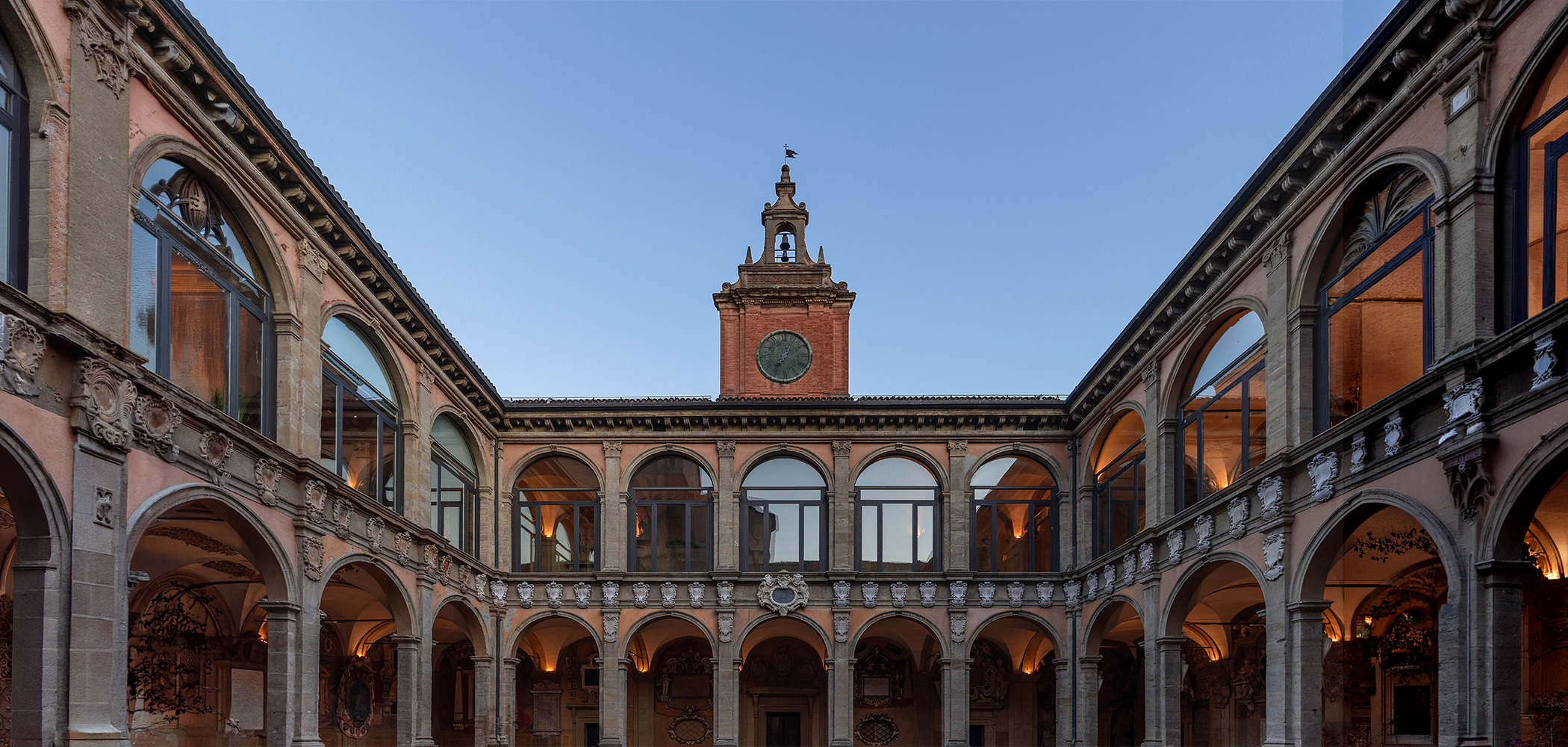
To further enhance the international competitiveness and academic influence of Macao’s higher education sector, MPU Rector Professor Marcus Im led a delegation to visit the University of Bologna (Unibo), Italy. During the visit, Professor Im and Professor Giovanni Molari, Rector of Unibo, signed a Joint Dual Doctoral Degree Agreement, formally establishing a framework for the joint conferral of PhD degrees.
The agreement reflects a shared commitment to advancing collaborative research and cultivating high‑level talent in cutting‑edge technologies, further strengthening academic ties between China and Italy. It also provides important institutional support for Macao and the Greater Bay Area to connect more effectively with global innovation resources, contributing to the development of the Macao-Hengqin International Education (University) Town.
Focusing on “AI+” Talent Development
Professor Im noted that Unibo, widely recognised as the world’s oldest university, possesses a profound academic heritage and extensive international influence. The signing of the dual doctoral degree agreement aligns closely with MPU’s “AI+” research strategy, with a focus on frontier fields such as computer applied technologies and artificial intelligence. Through mechanisms including bidirectional academic mobility and joint supervision, the partnership aims to cultivate high‑level research talent with strong innovative capacity and global perspectives.
Under this internationalised training model, doctoral candidates will receive joint supervision from faculty at both universities, drawing on the complementary strengths of two distinct academic systems. Immersed in diverse scholarly environments, students will deepen their research capabilities and innovative thinking. The joint award of dual doctoral degrees will not only promote closer interaction among cross‑regional academic communities, but also connect Europe’s leading academic resources with the innovation momentum of the Greater Bay Area, positioning Macao as an important academic bridge to Europe’s advanced science and technology networks.
Addressing Global Technological Challenges Together
Professor Molari expressed that the agreement is grounded in a shared academic vision and long‑standing mutual trust between the two universities. He highlighted the significant potential for further integrating complementary strengths, exploring broader and deeper avenues of collaboration to address global technological and societal challenges, while contributing to the advancement of knowledge and social progress.
NSFC Host Institution Status Achieved