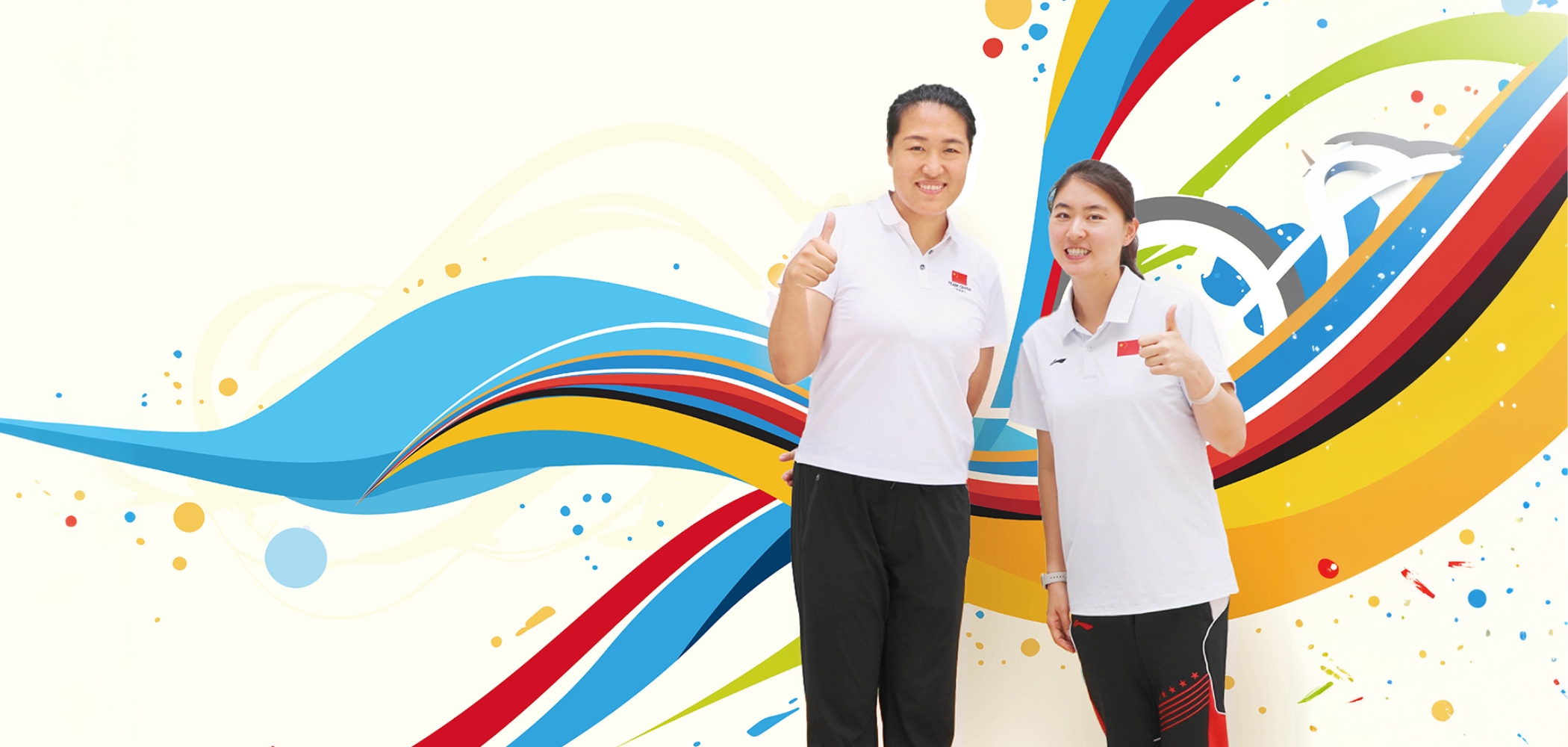
“We once used a single second to decide victory. Now we spend a lifetime understanding what that second means.”
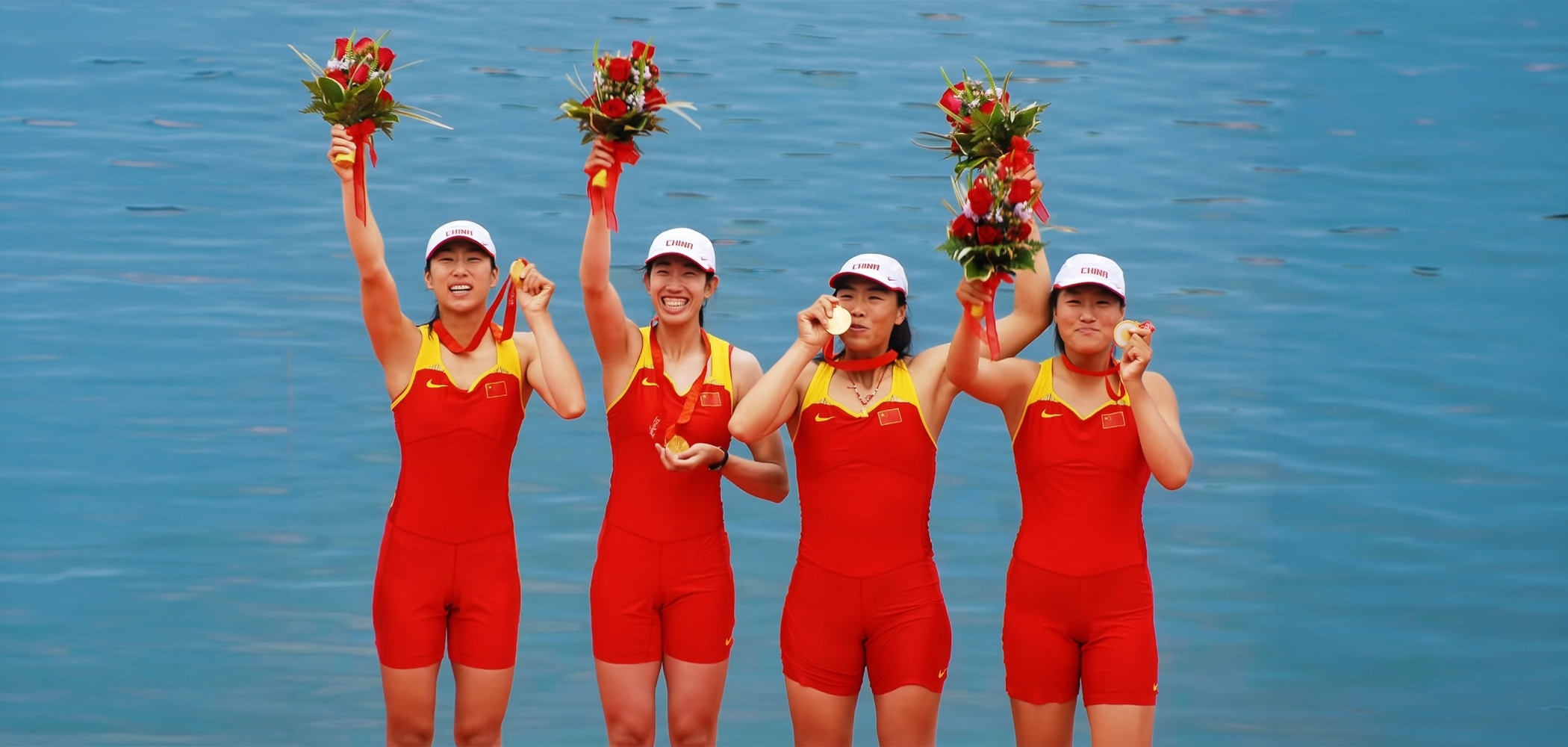
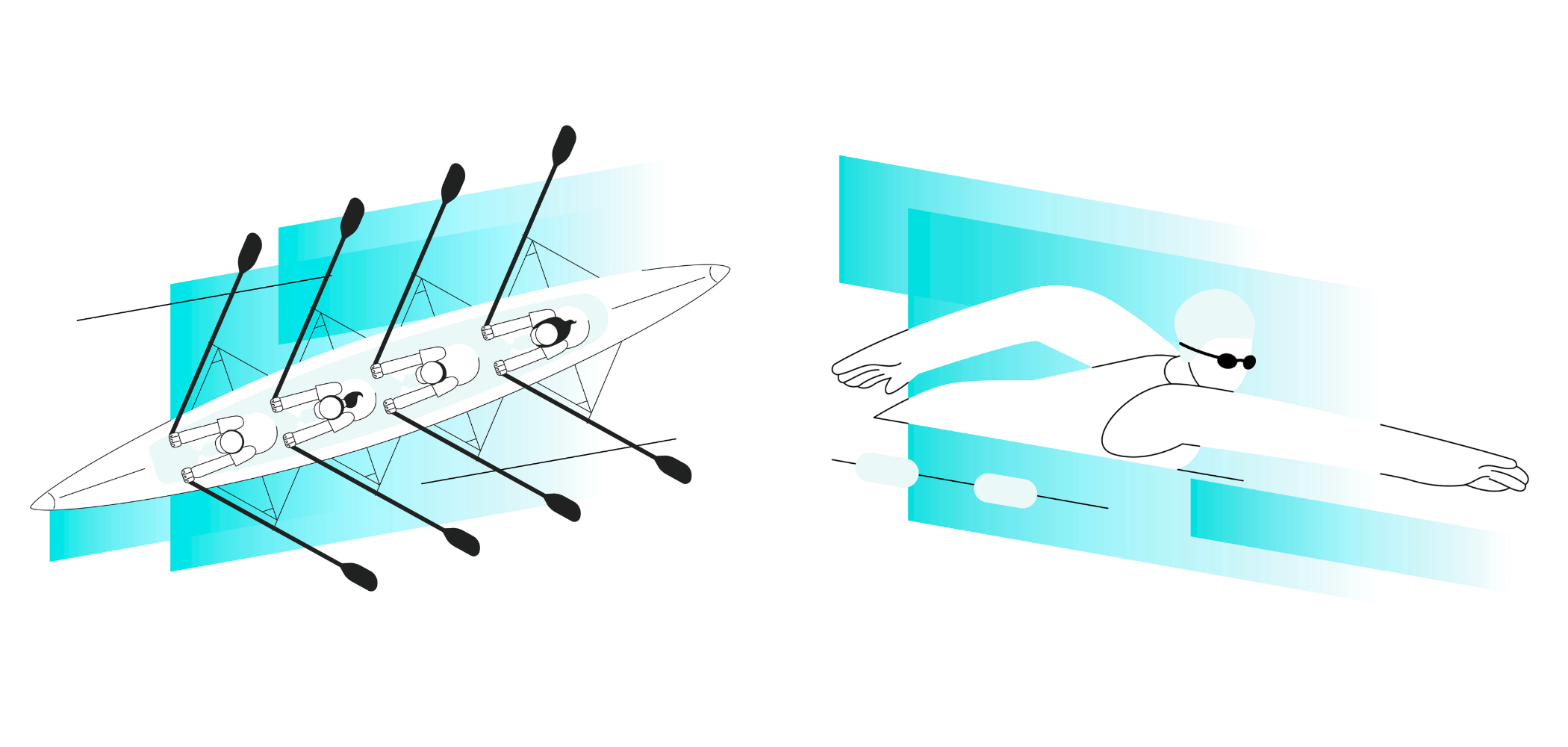
In 2008, at the final 500 metres of racing at the Beijing Shunyi Olympic Rowing-Canoeing Park, Zhang Yangyang and her teammates carved a historic golden trajectory in the women’s quadruple sculls final. China’s first-ever Olympic gold medal in rowing was born in that moment.
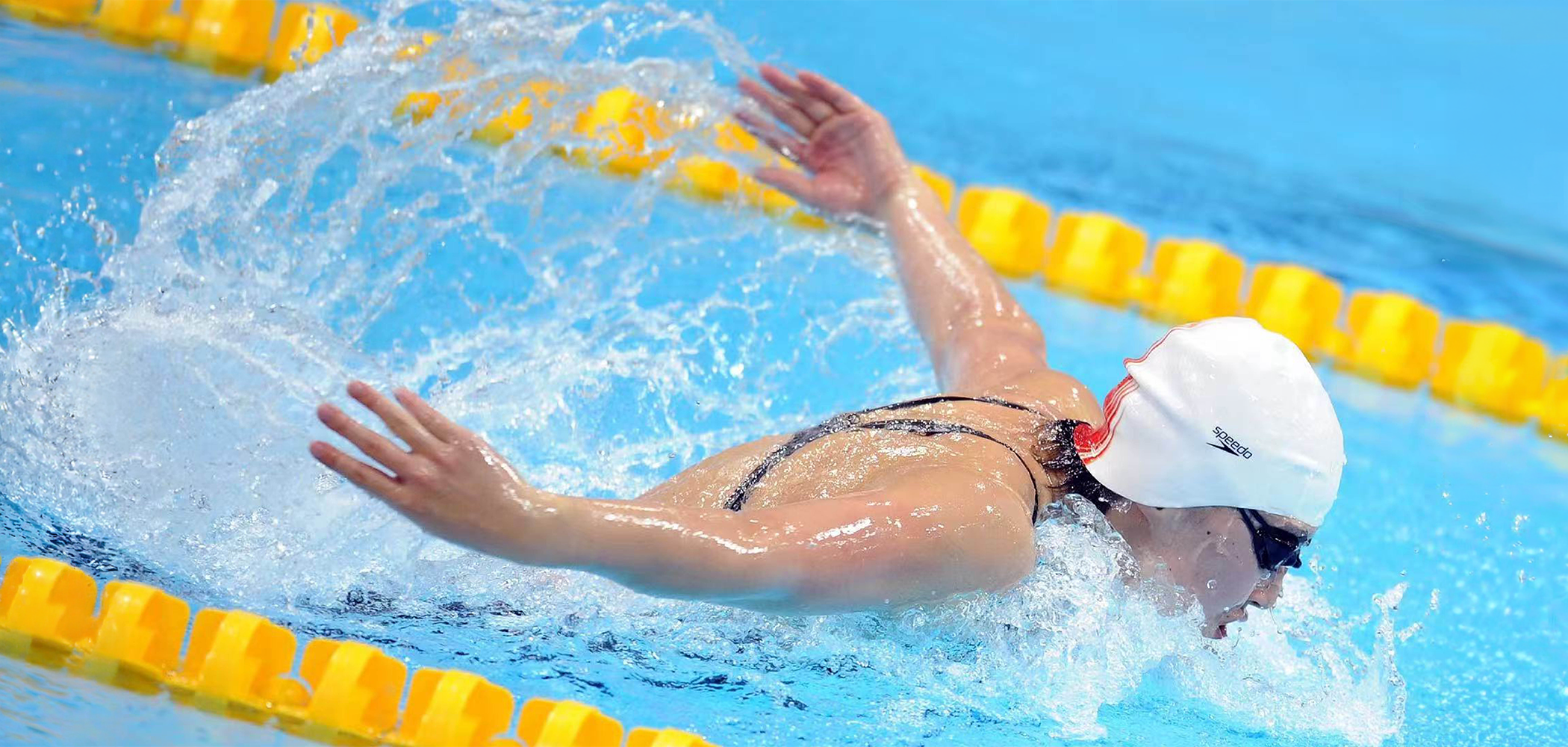
Four years later, in London, time seemed to freeze at the touch of the wall. In the women’s 200-metre butterfly final, Jiao Liuyang shattered records to claim gold, her triumph crystallised in a split second. The world’s attention converged on the podium.
More than a decade on, the two Olympic champions met again at Macao Polytechnic University. The setting has changed, and so have their identities. Both have enrolled in the PhD programme in Physical Education and Sports Science. Once defined by fractions of a second, they now engage deeply with international academic literature; once conquerors of pools and waterways, they now immerse themselves in a boundless ocean of knowledge. The race track has not disappeared. It has simply been extended.
Redirected Paths, Emergent Purpose
Zhang’s journey to Olympic glory began with what she describes as being “chosen” rather than choosing. As a child, she trained in basketball, but lacking the physical advantage required, she was advised by coaches and family to switch to rowing. “It was less that I chose rowing, and more that rowing chose me.” Her reflection captures a shared experience among many elite athletes: life direction often becomes clear only in retrospect, shaped by decisions made along the way.
Jiao Liuyang’s trajectory echoes a similar pattern. Initially trained in dance, she encountered swimming by chance and, at first, found little enthusiasm for it. Only through sustained effort did she gradually realise that it was something she could excel in. What began as passive exposure transformed into active commitment. For both athletes, passion was not immediate; it was cultivated through persistence.
Faith Through Adversity
The early hours by the pool, the near-mechanical repetition of strokes, and the relentless push towards physical limits are the unseen realities of an athlete’s life.
Reflecting on whether they had ever considered quitting, Jiao recalls moments when life seemed reduced solely to training, making perseverance itself feel uncertain. What sustained her was a combination of family support and a refusal to walk away without knowing the outcome: “Having invested so much, I had to see where it would lead.”
Zhang faced her own share of injuries, performance plateaus, and low points. Her response was neither retreat nor reconsideration, but completion: “If you’ve already come this far, then finish the journey.” This unembellished resolve ultimately carried both women to the pinnacle of their sports.
Yet victory brought emotions they had never rehearsed. Jiao notes that while every competitive scenario could be simulated in training, one moment could not: “Standing on the podium — that was something we never trained for. It’s quiet, but you know the whole world is watching.”
With the gold medal secured, a new question emerged: who are you once competition ends? Without the stopwatch, defining success and failure becomes far more complex.
Returning to the Classroom
Following retirement, both athletes independently chose to return to academia, not as a restart, but as a continuation of exploration.
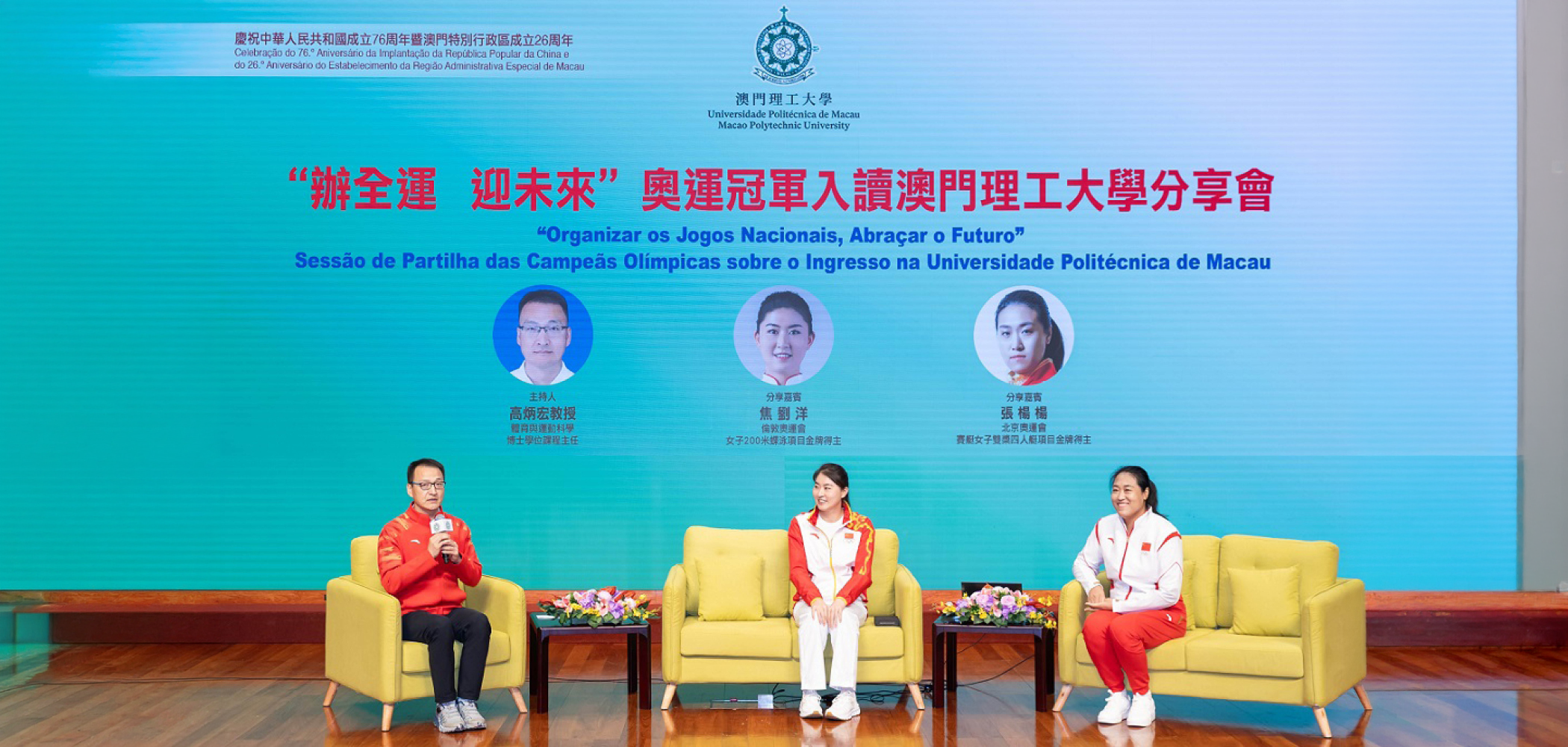
Jiao now teaches at Sun Yat-sen University. Through her teaching, she realised that personal experience alone was insufficient to fully explain athletic performance; it must be supported by theoretical and scientific frameworks. Under the supervision of Professor Gao Binghong at MPU, she is developing a more systematic and targeted understanding of sports science, bridging practice and theory, and moving from “doing” to “explaining”.
Zhang, currently teaching at Hainan Medical University, has also reexamined her experiences through the lens of research. She was drawn to MPU for its open academic environment and Macao’s multicultural context, which offers broader intellectual perspectives. Coursework in data analysis, interdisciplinary methodologies, and artificial intelligence enables her to step beyond the limits of her past experiences, reframing training and competition through new analytical perspectives.
An Enduring Competitive Spirit
Both doctoral candidates have chosen research topics closely aligned with their athletic backgrounds, yet their focus has shifted from individual performance to systemic development.
Jiao’s research centres on integrated development models for high-performance university sports teams, with emphasis on early-stage specialisation in youth training. She emphasises the critical importance of foundational stages: “If mistakes are made at the starting point, they are extremely difficult to correct later.” Her goal is to ensure that theory translates into practice, supporting the development of future student-athletes.
Zhang focuses on rowing performance, analysing training load and athletic capacity across Olympic cycles. Her work seeks to integrate psychological stress, long-term fatigue monitoring, and the balance between training and recovery into validated and replicable scientific frameworks, helping athletes avoid unnecessary setbacks.
Together, they are undergoing a significant transformation: converting personal, embodied experience into knowledge that others can apply. While their environments and identities have evolved, their commitment to excellence remains unchanged. From competition arenas to academic inquiry, they have not left the pursuit of performance. They have simply found a new way to continue it.
When the race no longer has a defined finish line, the act of questioning itself becomes the new starting point. Olympic gold may belong to the past, but the pursuit of excellence continues to point firmly toward the future.
Against the Current of Change
Professor Lam Fat Iam and the Cultural Memory of a City